
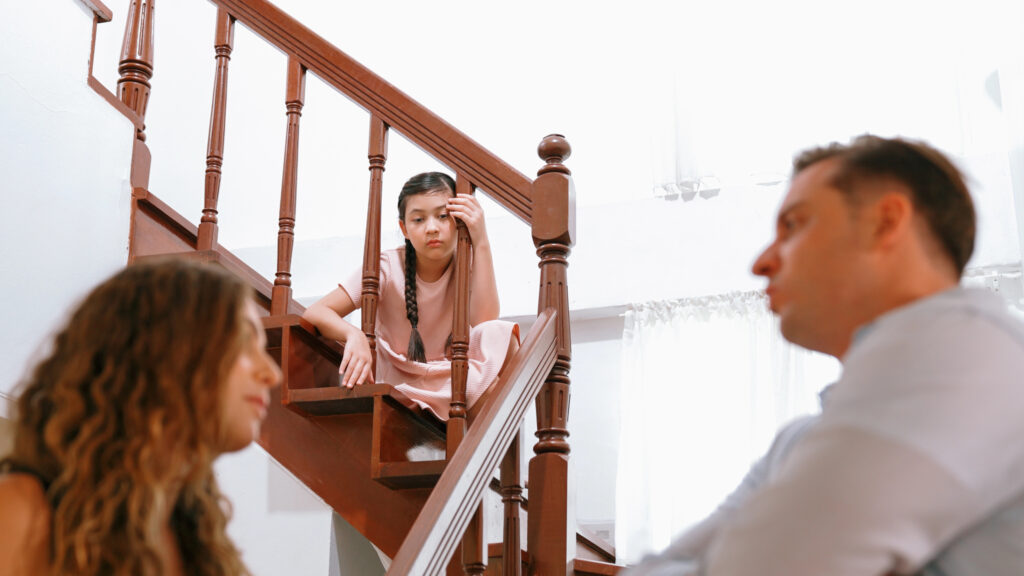
When a court orders supervised visitation, many parents feel a mix of worry, frustration, and uncertainty. You may wonder what the visits will look like, who will be watching, and how your child will handle it. Those feelings are completely normal, and you don’t have to sort through them alone.
Supervised visitation in Utah, often called supervised parent-time, gives a parent and child time together while a neutral third party makes sure the visit stays safe. It isn’t meant to punish anyone. Its purpose is to protect the child and keep the parent-child relationship growing during a difficult season.
In this guide, we’ll walk you through how professional supervised visitation works, step by step. You’ll learn:
- How scheduling and check-in typically happen
- What goes on during each visit, and what the rules usually are
- How a neutral supervisor protects children and reduces conflict
- Why objective documentation matters for court
Knowing what to expect makes the process far less stressful, for you and for your child.
What Is Supervised Visitation in Utah?
Supervised visitation is court-ordered or agreed-upon time between a parent and child that takes place with a third party present. In Utah family law, the term “parent-time” is often used instead of “visitation,” but the meaning is the same.
A supervisor may be a trusted family member, a friend, or a professional provider. Courts and parents often prefer a professional because a trained, neutral supervisor brings structure, consistency, and reliable reporting.
Why Courts Order Supervised Parent-Time
A judge may order supervision for many reasons. Common situations include:
- Concerns about substance use
- Allegations of domestic violence or abuse
- A parent re-entering a child’s life after a long absence
- Mental health concerns
- Risk of a parent leaving the area with the child
- High conflict between parents that affects the child
Sometimes supervision is temporary. A parent may move from supervised visits to unsupervised time after showing consistency and stability.
Key takeaway: Supervised visitation is a bridge, not a dead end. It creates a safe path for parents and children to stay connected while the court gathers information.
How Professional Supervised Visitation Works, Step by Step
Every provider has its own procedures, but most professional supervised visitation follows a clear, predictable process. Here’s what parents can usually expect.
Step 1: Intake and Initial Paperwork
The process begins with intake. Each parent typically meets or speaks with the provider separately. This keeps things fair and avoids early conflict.
During intake, you’ll likely be asked to share:
- A copy of the court order or parenting plan
- Contact information and emergency contacts
- Your child’s basic needs, such as allergies, medications, or routines
- Any safety concerns or protective orders
This step helps the supervisor understand the case before the first visit. It also sets expectations for both parents from day one.
Step 2: Scheduling the Visits
Next comes scheduling. The court order usually states how often visits happen and how long they last, such as two hours once a week. The provider works with both parents to find times that follow the order.
To keep things smooth:
- Confirm visits ahead of time
- Arrive on time, as late arrivals can shorten or cancel a visit
- Give advance notice if you need to cancel
Common mistake + fix: Some parents try to reschedule directly with each other. This can spark conflict or confusion. Instead, route all scheduling through the supervisor. It keeps communication neutral and documented.
Step 3: Check-In Procedures
Check-in is designed to keep the child safe and limit contact between parents when needed. In many cases, staggered arrival and departure times are used.
A typical check-in might look like this:
- The visiting parent arrives first and checks in with the supervisor.
- The custodial parent arrives a set time later and hands the child to the supervisor.
- The custodial parent leaves before the visit begins.
- At the end, the process reverses so parents don’t cross paths.
This simple structure removes a major source of tension. Your child doesn’t have to watch parents argue at the door, and you don’t have to face an uncomfortable exchange.
Step 4: What Happens During the Visit
Once the visit begins, the focus is on the parent and child spending quality time together. The supervisor stays close enough to see and hear what’s happening but tries not to intrude.
Visits often include simple, positive activities like:
- Playing games or doing puzzles
- Reading books together
- Drawing or crafts
- Sharing a snack or meal
- Talking about school, friends, and hobbies
The supervisor’s role is to observe, not to parent. They step in only if a rule is broken or the child’s safety or emotional well-being is at risk.
Example: A father brings a favorite board game to each visit. Over several weeks, the supervisor notes that he arrives on time, engages warmly, and follows every guideline. That steady record can help support a future request for expanded parent-time.
Step 5: Common Rules During Visits
Rules vary based on the court order and the provider, but most supervised visits share some standard guidelines:
- No discussing the court case, custody, or the other parent negatively
- No whispering or private conversations out of the supervisor’s hearing
- No promises about future living arrangements
- No unapproved gifts, phones, or recording devices
- No alcohol or drug use before or during the visit
- No unapproved guests
These rules protect your child from adult conflict. They also protect you, since following them builds a positive record.
Step 6: Ending the Visit and Documentation
When the visit ends, the child returns to the custodial parent through the same structured check-out. Afterward, the supervisor writes up notes or a report.
These notes typically describe:
- Arrival and departure times
- Activities and interactions
- How the child responded
- Any concerns or rule violations
- Any redirection the supervisor provided
Quick checkpoint: If you understand intake, scheduling, check-in, the visit itself, and documentation, you already know how the entire process flows.
The Role of a Neutral Third Party
The supervisor is the heart of the process. A professional, neutral supervisor serves three key purposes.
Protecting Children
Children are the top priority in every supervised visit. A trained supervisor watches for signs of distress, inappropriate comments, or unsafe behavior. If something goes wrong, they can redirect the conversation, pause the visit, or end it.
This protection works both ways. It shields children from harm, and it gives them a calm space to simply enjoy time with their parent.
Reducing Conflict Between Parents
Custody disputes can be emotionally charged. Even well-meaning parents may struggle to communicate without tension. A neutral third party removes the need for direct contact during exchanges and scheduling.
When parents don’t have to face each other, there’s less chance for arguments. That means fewer tense moments in front of the child and less stress for everyone involved.
Providing Clear, Objective Documentation for Court
Family courts rely on accurate information. Notes from a family member may be seen as biased, no matter how honest they are. A professional supervisor offers something more valuable: factual, impartial observations.
Strong documentation is:
- Objective: It reports what happened, not opinions or assumptions.
- Consistent: It follows the same format for every visit.
- Detailed: It includes times, behaviors, and specific interactions.
This kind of record can help a judge make informed decisions, whether that means continuing supervision, adjusting the schedule, or moving toward unsupervised parent-time.
Key takeaway: A neutral supervisor isn’t on anyone’s side, except the child’s. That neutrality is exactly what makes their reports useful in court.
How to Prepare for a Supervised Visit
A little preparation goes a long way. Whether you’re the visiting parent or the custodial parent, these tips can help visits feel more positive.
Tips for the Visiting Parent
- Arrive early and calm
- Plan a simple, age-appropriate activity
- Keep conversations light and focused on your child
- Follow every rule, even when it feels uncomfortable
- Treat the supervisor with respect
Tips for the Custodial Parent
- Speak positively about the visit beforehand
- Have your child ready on time with any needed items
- Share important updates, like illnesses, with the supervisor
- Avoid asking your child detailed questions afterward
Helping Your Child Feel Comfortable
Children pick up on adult emotions. Try explaining the visit in simple terms, such as, “You’ll get to spend time with Mom, and a helper will be there too.” Keep your tone warm and reassuring. Consistency helps children feel safe, so predictable routines make a real difference.
How Private Eyes Keeps Visits Safe, Calm, and Child-Focused
At Private Eyes Investigation Firm, we understand that supervised visitation touches families at a sensitive time. We approach every case with care, professionalism, and a clear commitment to the child’s well-being.
A Neutral, Professional Presence
Our team serves as a fair and impartial third party. We don’t take sides. Our goal is to create a setting where children feel secure and parents feel respected.
Safety Built Into Every Step
Our background in investigations, surveillance, and private security shapes how we handle supervised visits. We stay alert, follow structured procedures, and know how to respond calmly if a situation becomes tense. This experience gives both parents and children added peace of mind.
A Calm, Child-Centered Atmosphere
We work to keep visits relaxed and positive. When children feel at ease, they can focus on connecting with their parent instead of worrying about the adults around them.
Clear, Reliable Documentation
We provide accurate, objective notes from each visit. These records reflect what we observe, helping attorneys and courts understand how visits are going.
Compassionate Support for Families
We know this process can feel overwhelming. Our family-run team takes time to answer your questions, explain each step, and help you feel confident moving forward. Let’s work together to make every visit a safe and meaningful experience for your child.
Frequently Asked Questions About Supervised Visitation in Utah
How long does supervised visitation last?
It depends on the court order and the circumstances of the case. Some families need supervision for a few months, while others need it longer. Progress, consistency, and court review often shape the timeline.
Can supervised visits lead to unsupervised parent-time?
Yes, in many cases. Parents who follow the rules, attend consistently, and interact positively may ask the court to reduce or end supervision. Objective documentation can play an important role in that decision.
Who pays for supervised visitation?
The court order often addresses payment. In many cases, the visiting parent covers the cost, but arrangements vary. Check your order or speak with your attorney for details.
Can a family member supervise visits instead of a professional?
Sometimes, if the court allows it. However, professional supervisors offer neutrality, training, and detailed reporting that family members may not be able to provide.
What happens if a rule is broken during a visit?
The supervisor will usually redirect the behavior first. If the issue continues or puts the child at risk, the visit may be paused or ended. The incident is then noted in the visit report.
Do I need a court order to use supervised visitation services?
Not always. Some parents choose supervised visits voluntarily, especially during separation or high-conflict periods. A professional provider can help either way.
Moving Forward With Confidence
Supervised visitation in Utah gives children a safe way to stay connected with a parent during a challenging time. Here’s what to remember:
- The process follows clear steps: intake, scheduling, check-in, the visit, and documentation.
- A neutral supervisor protects children and reduces conflict between parents.
- Objective reports give courts reliable information for future decisions.
- Preparation and consistency help visits feel calmer for everyone.
If you need supervised visitation services, Private Eyes is here to help. Our compassionate, experienced team will guide you through every step and keep your child’s safety at the center of each visit. Contact Private Eyes today for a free consultation, and let’s create a safe, supportive path forward for your family.